When Can a Puppy Start Running? Safe Ages and Growth Plates
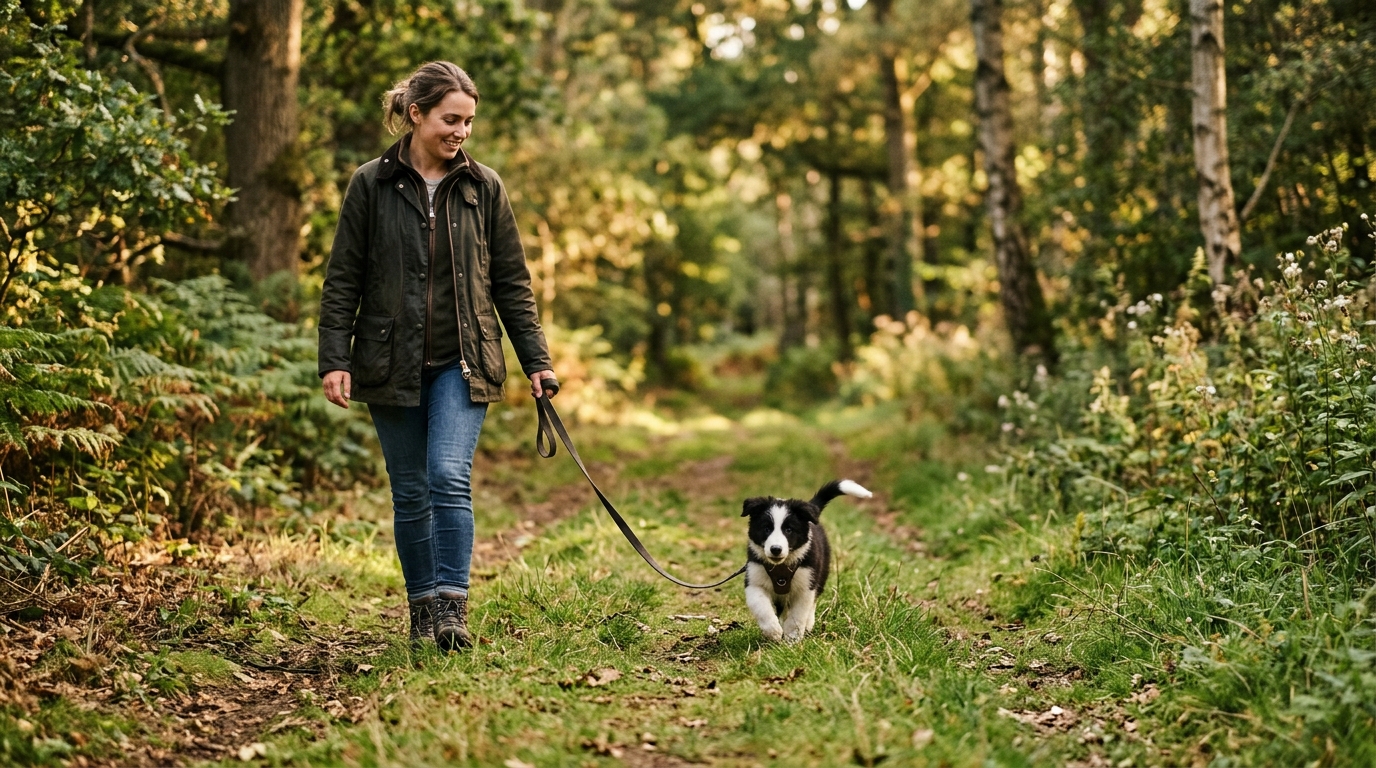
The blanket rule is to wait until your puppy is 12 months old before you start running. The reality is far messier. Growth plates—the soft cartilage at the ends of young bones—close at completely different ages depending on the breed’s adult size. Treat a Jack Russell the same as a Rottweiler, and you risk either wasting months of good conditioning time or causing permanent joint damage before they’re fully grown.
When Do Puppy Growth Plates Actually Close?
Puppy growth plates close anywhere between 6 and 18 months, depending entirely on the breed’s expected adult weight. Small breeds typically finish fusing their cartilage by 6 to 9 months, medium dogs around 12 months, and large or giant breeds can keep growing until they hit 15 to 18 months.
You cannot safely start high-impact running or pulling until these plates have fully turned to solid bone. Running too early puts repetitive stress on soft joints, which can cause permanent skeletal damage or early-onset arthritis. The safest approach is to match your exercise plan to your dog’s specific adult size rather than relying on a generic one-year rule, and to stick to low-impact leash walking until the plates are fully closed.
The PDSA advises that high‑impact exercise such as running or jumping should be avoided until those plates have fused, but they also note that regular walks are perfectly fine at any age. The key distinction is impact: a gentle leash walk puts almost no stress on the plates, while a repeated trot does.
The “12-month rule” is popular because it’s simple, yet an X-ray confirming plate closure can clear a pup for short jogs sooner, because breed size matters more than calendar age.
Bottom line: don’t treat the 12‑month mark as a universal green light. Check your breed’s typical closure window, and keep early exercise low‑impact.
The “One Size Fits All” Fallacy: Breed Size Matters
A quick way to avoid a costly mistake is to bucket your dog by adult weight, not by the month count on the calendar. Here is how the timelines generally break down by breed size:
- Small dogs (< 10 kg) – Chihuahuas, Jack Russell Terriers, and other toy breeds usually see their growth plates close by 6–9 months. Running before that can overload the tiny femur and tibia. Even at 12 months, a sudden sprint is risky; stick to brisk walks and short, controlled jogs after the nine‑month mark.
- Medium dogs (10–25 kg) – Springers, Border Collies, and Vizslas fall here. Their plates typically finish between 12 and 14 months. Rushing these breeds into the full sport risks joint wear later. The safe window for light jogging starts around month 10, but keep sessions under three minutes and watch the legs.
- Large dogs (> 25 kg) – Rottweilers, German Shepherds, and Labrador Retrievers often keep growing until 15–18 months. The British Veterinary Association (BVA) and other veterinary bodies consistently warn about the risks of over-exercising heavy young dogs. A common mistake is treating a nine‑month‑old Lab like a fully grown adult; the cartilage is still soft and can’t handle repeated pulling. For these dogs, the first approved jogs usually don’t appear until month 12‑14, and even then they should be very short.
| Breed (UK‑common) | Approx. adult weight | Typical plate‑closure age |
|---|---|---|
| Chihuahua | 2–3 kg | 6 months |
| Jack Russell | 5–7 kg | 8 months |
| Springer Spaniel | 12–18 kg | 12–14 months |
| Border Collie | 14–20 kg | 13 months |
| Vizsla | 18–24 kg | 12–13 months |
| Labrador Retriever | 25–36 kg | 15–16 months |
| Rottweiler | 45–60 kg | 16–18 months |
The pattern is clear: the heavier the adult dog, the later you can safely introduce any kind of running. If you’re unsure, a quick X‑ray at the vet can confirm plate status – a step that’s easy to skip but one that saves a lot of future vet bills. You can read more about breed-specific traits on our blog.
Worth knowing: Running too early puts repetitive stress on soft joints, which can cause permanent skeletal damage or early-onset arthritis.
The 12‑Month Preparation Plan: What to Do Instead
Instead of staring at a calendar and wondering when “the go‑signal” appears, treat the first year as a conditioning programme. Below is a month‑by‑month checklist that builds stamina, obedience, and joint health without the high‑impact stress of running.
Months 1‑3 – The Sniffaris
- Goal: Mental fatigue → physical calm.
- What to do: Take 15‑20 minute walks focused on scent work. Let the pup lead, change direction frequently, and use a loose‑lead.
- Why it works: A “sniffari” tires a puppy’s brain, which in turn reduces the frantic “zoomies” that often lead to accidental jumps or slips.
Months 4‑6 – The Leash Walk
- Goal: Build endurance and leash manners.
- What to do: Extend walks to 30‑40 minutes, keep the pace brisk but steady. Introduce short “stop‑and‑go” drills to teach impulse control.
- Common mistake: Some owners think a longer walk equals a better run. In reality, the focus should stay on consistent pacing, not distance.
Months 7‑9 – The Jog
- Goal: Introduce low‑impact cardio.
- What to do: Start with 2‑minute slow jogs (≈ 2 mph) on soft ground – grass or a forest trail. Keep the leash loose; the pup should be able to trot beside you, not pull. Gradually increase to three minutes by month 9.
- The three-minute rule: short sessions keep the joints safe while still giving the puppy a taste of the sport.
Months 10‑12 – The Transition
- Goal: Prepare for pulling gear without full‑force.
- What to do: Fit a lightweight pulling harness (see next section) and let the dog wear it for short periods, no belt attached. Let them get used to the feel, then add a short, slack line for a few minutes.
- Tip: If your pup shows any reluctance or excessive panting, cut the session short – overexertion at this stage can set back weeks of progress.
By the time the puppy hits the 12‑month mark, you’ll have a well‑conditioned, obedient companion ready for a proper canicross session.
You now have exactly what to be doing each month – Get the Free Canicross Starter Checklist to make sure recovery and rest are part of the plan too.
The “Pulling” Distinction: Leash vs. Rig
Running alongside your dog on a loose leash is a low‑impact cardio session. Pulling a canicross rig, however, multiplies the force on the hips and growth plates by three to five times. That’s why a dedicated pulling harness is non‑negotiable once you move beyond the “jog” stage.
The Non-stop Dogwear Freemotion Harness is a specialist pulling harness. Its Y-shaped neck leaves the shoulders free, and the pull runs along the sides so the load spreads over the whole harness instead of digging into the neck. That’s what you want once your dog is old enough to pull.
The downside? It’s a single‑purpose piece; you’ll need a separate walking harness for everyday use. If you’re on a tighter budget, the Zero DC Short Harness offers decent pull‑support at a lower price, but it can rub under the armpit on deep‑chested breeds if not sized precisely. For a medium-to-large pulling dog, the Freemotion is the reliable pick; the Zero DC works if you’re willing to double‑check the fit each time.
Remember: Never use a regular walking harness for canicross. The grip can dig into the neck and strain the cervical vertebrae, especially on hard UK pavements. A proper pulling harness coupled with a well‑fitted belt (like the Non‑stop CaniX Belt) ensures the forces stay on the dog’s body, not its neck.
Signs of Overexertion: What to Look For
Even with a perfect plan, puppies can overdo it. Keep an eye out for these red flags and stop the session immediately:
- Persistent panting that doesn’t ease after a few minutes of rest – may signal overheating or cardiovascular strain.
- Limping or favouring a leg – a subtle “hobbling” gait often precedes a more serious joint issue.
- Reluctance to get up or jump – if the pup hesitates to hop onto a curb, the muscles or joints may be fatigued.
- “Bunny hopping” – hopping on three legs is a classic sign of discomfort in the front limbs.
The “stop immediately” checklist: pause, offer water, check gait, and if any symptom lingers beyond five minutes, book a vet check. Early detection saves you from a cascade of joint problems later on.
How to Check if Your Puppy is Ready to Run
Before you attach a harness and hit the trails, you need to verify that your dog is physically and mentally prepared for the impact.
1. Look up the breed’s specific closure window Do not rely on the generic 12-month rule. Check the standard growth plate closure timeline for your specific breed’s adult weight. If you own a mixed breed, base your estimate on their heaviest likely adult weight to ensure you aren’t starting too early.
2. Book a vet check and request an X-ray The only definitive way to know if a dog’s growth plates have fused is through an X-ray. Ask your vet to examine the long bones in the legs. This quick check costs a bit upfront but saves a fortune in potential joint surgeries down the line.
3. Assess their basic leash manners A dog that cannot walk calmly on a loose leash is not ready to run. High-speed running amplifies bad habits, meaning a mild puller on a walk becomes a dangerous liability on a run. Spend time mastering basic stop-and-go commands before you ever pick up the pace.
4. Start with a low-impact test run Once cleared by the vet, take your dog for a two-minute slow jog on a soft surface like grass or dirt. Watch their gait closely for any signs of hopping, limping, or reluctance. If they show any discomfort, stop immediately and dial the exercise back to walking for another month.
Common Questions
Can I run with my puppy on a bike?
No. Bike‑joring puts far more strain on growing joints than a leash jog. Stick to walking or short jogs until the growth plates have closed and the puppy is at least a medium‑size adult weight.
Is it okay to run on grass or pavement?
Grass is much softer and safer for young joints. Avoid concrete or hot asphalt until the pads are fully hardened, which usually takes around 4 to 6 months. You can use pavement for short, controlled jogs on cooler days, but always watch for signs of overheating or pad wear.
What if my puppy is a large breed but small for its age?
Follow the breed‑size guidelines, not their current weight. A large‑breed puppy that looks light for its age still has the same growth‑plate timeline as its heavier littermates. If you’re unsure, ask your vet for an X‑ray. That quick check can save a costly injury.
Do I need to wait to run if my dog is a rescue crossbreed?
Yes, and you should err on the side of caution. If you don’t know the exact mix, look at their paws and overall build to estimate their adult size, or consult your vet. Treat them as a large breed if there is any doubt, waiting until at least 12 to 15 months before introducing high-impact running.
What to Do Now
You now have a clear picture of when a puppy can start running, how to get there safely, and what equipment will keep joints protected. The key take‑away is to treat the first year as a conditioning phase, not a waiting period, and to match the plan to your breed’s growth‑plate timeline.
If you’re ready to lock in a sensible routine for when your pup is old enough, get the free Canicross Starter Checklist – it’s the next logical step to have the kit and the early sessions sorted for the years of canicross ahead. You can also get in touch or read more about the Mud and Paws Team if you need further advice.
Happy trails, and remember: a patient start means a decade of happy runs together.
Related Guides
For a complete overview, see our How to Start Running With Your Dog (The Right Way).
Further Reading
Note: This article provides general guidance only. Always verify specific details with a qualified professional or official source.