Running With Your Dog in Hot Weather: Safe Temperatures
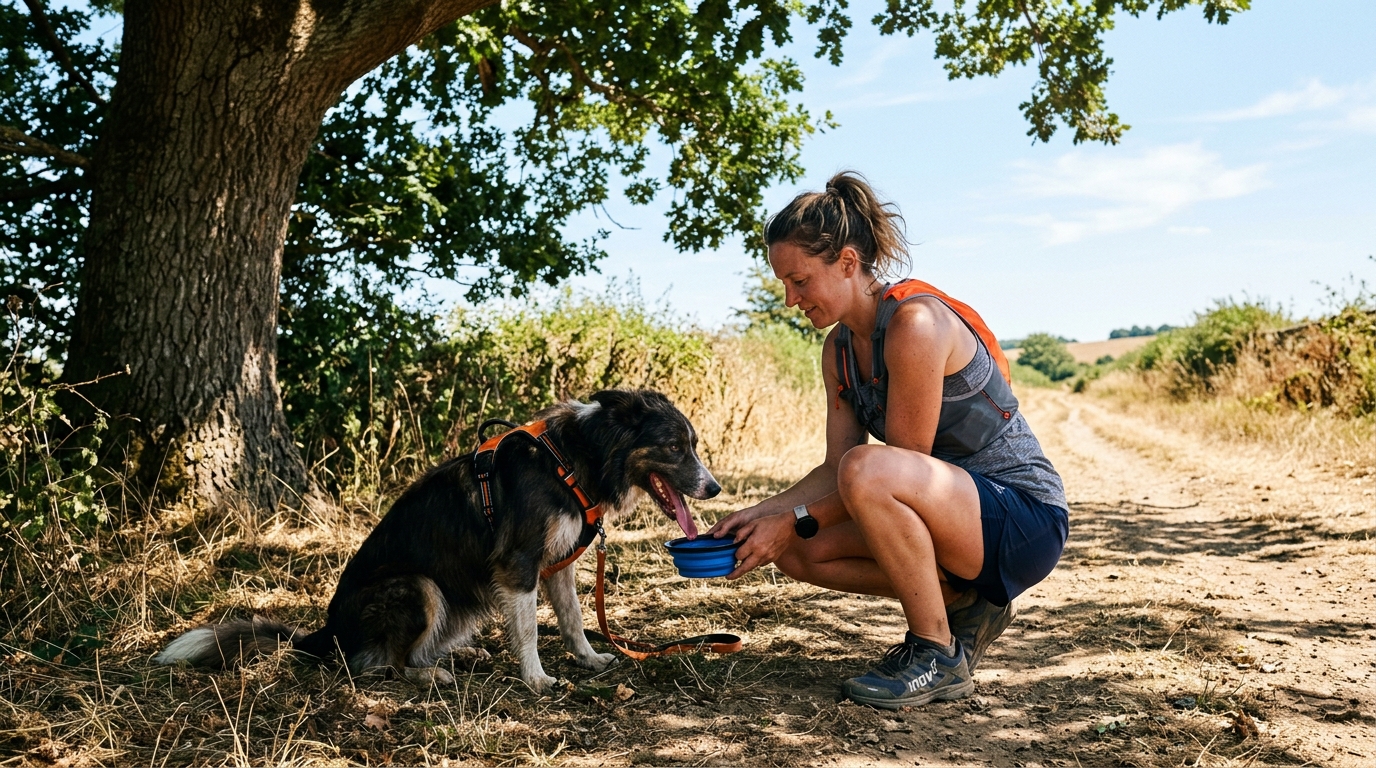
The moment the UK sun pushes the thermometer past 20 °C, taking the dog for a run shifts from a healthy habit to a genuine risk. Pavements heat up like frying pans, and heatstroke can set in before you even realise your dog is struggling. Here’s exactly how to judge when it’s safe to run, and when you need to leave the harness at home.
At What Temperature Is It Too Hot to Run With a Dog?
You should never run with your dog when the ambient temperature tops 20 °C. That single rule is the core of our safety protocol. Running spikes a dog’s heart rate and metabolic heat production far more than a stroll. A typical 10‑minute jog can raise core temperature by 1–2 °C, while a leisurely walk barely nudges it. In a UK heatwave, tarmac gets far hotter than the air (Dogs Trust hot-weather advice), so the surface can scorch pads before you even notice the air feels warm. The safe temperature limit for running with a dog is therefore strictly 20 °C. Anything above that, and you’re playing a risky game of how hot it can get before the dog’s body simply can’t cope.
| Air temperature | Approximate pavement temperature* |
|---|---|
| 15 °C | 25 °C |
| 20 °C | 35 °C |
| 25 °C | 45 °C+ |
*Based on UK heatwave data.
The “Golden Hour” warning is straightforward: avoid the 11 am to 3 pm window when the sun is strongest. A dog that refuses to move on a warm morning is showing an early sign of heat stress, not laziness.
Worth knowing: a dog that suddenly stops pulling on a warm run may be overheating. Treat it as a warning sign, not stubbornness.
The 5‑Second Test: How to Check Safety Instantly
When you’re out on the trail, you need a quick, reliable way to decide if it’s safe to start. The 5‑second test does exactly that. If you read our blog, you’ll know we always advocate checking the ground before you even clip the harness on.
- Back‑of‑Hand Test – Press the back of your hand flat onto the pavement for five seconds. If it feels hot enough to make you pull away, it’s too hot for your dog’s pads.
- Gum Check – Gently lift the lip of the dog’s gum. Bright pink indicates good circulation; a brick‑red shade signals overheating.
- Stop Signal – Teach a clear “Stop” command (or a hand cue) that the dog will obey even when the urge to run is strong. This gives you an immediate abort button.
A step‑by‑step checklist before you set off:
- Arrive at the start point.
- Perform the back‑of‑hand test.
- If the surface passes, do a quick gum check.
- Confirm the “Stop” cue is fresh in the dog’s mind.
- Begin the run.
Do this test at the start of every summer session; it’s the cheapest way to avoid burnt pads.
If the pavement fails the test, either shift to a shaded grass route, wait until the temperature drops, or switch to a low‑impact activity like swimming.
Understanding Breed Tolerance in Heat
Not all dogs handle heat the same way. Understanding breed tolerance prevents a nasty surprise mid‑run.
| Breed type | Typical safe max for running | Key notes |
|---|---|---|
| Double‑coated (Husky, Malamute) | Up to 22 °C, but still need regular water breaks | Thick fur insulates; still prone to paw burns on hot tarmac. |
| Short‑nosed (Bulldog, Pug) | No higher than 15 °C | Poor panting efficiency; early signs are excessive drooling and laboured breathing. |
| Active medium (Border Collie, Vizsla) | Up to 20 °C | Generally tolerant, but watch for reluctance to pull as a heat cue. |
| “Muddy” factor (any breed) | Surface matters more than air temp | Mud cools pads; dry, sun‑baked tarmac can be lethal even at 18 °C. |
Flat-faced (brachycephalic) breeds often refuse to run when the air feels just a bit warm. That’s not laziness – it’s a protective response. Conversely, owners of double‑coated breeds sometimes assume they’re heat‑immune; pavement can get hot enough to burn paws even when the air feels pleasant.
Many new canicrossers skip a pre‑run water‑bowl check. Fill a collapsible bowl before you head out; a dog that drinks on the way out is far less likely to overheat later.
If you’re training for a summer event, match your harness choice to the breed’s tolerance. For a Husky, a solid pull harness like the Non‑stop Dogwear Freemotion works well. Whatever the harness, a summer event is no reason to train in the heat: do your runs in the cool of the early morning.
The Cool‑Down Protocol: What to Do After the Run
Stopping the run isn’t enough; how you bring your dog back to baseline matters just as much.
- Lukewarm water, not ice‑cold – A quick rinse with water around 30 °C avoids thermal shock that can cause a sudden drop in core temperature. See the RSPCA’s heatstroke advice for what to do if a dog overheats.
- Check the pads – Look for redness, blisters, or debris. If you spot a burn, rinse with cool (not cold) water and apply a pet‑safe wound gel.
- Hydration in sips – Offer fresh water in small amounts every few minutes rather than a big gulp. This mirrors the advice from Dogs Trust on maintaining steady fluid intake.
- The “Rest” command – Teach a relaxed “Rest” cue that signals the dog to settle down for a few minutes before heading home. This helps the heart rate settle gradually.
A frequent mistake owners make is dousing the dog with a garden hose straight from the tap. The safer route is a gentle pour from a bucket.
For runners on city streets, a quick walk on a shaded path while the dog drinks is a sensible belt-and-braces step to ensure full recovery.
Quick Answers
Is it okay if my dog is panting?
Panting is completely normal, but deep, rapid breathing accompanied by drooling and a pale tongue is a red flag. Stop immediately, find shade, and start the cool‑down protocol.
Can I run my dog in the rain?
Yes, provided you’ve fitted a reflective vest and dry the dog off afterwards. Wet fur loses its insulating ability, so a quick towel‑dry is a must to stop them getting too cold once the run is over.
What if I’m running in the UK and it’s 25 °C?
Do not run. Switch to walking in the shade, swimming, or an indoor treadmill. Running at 25 °C completely ignores the 20 °C limit and drastically increases the risk of fatal heatstroke.
Safe Running Temperatures Reference
| Air Temperature | Approximate Pavement Temp | Safe for Running? |
|---|---|---|
| 15°C | 25°C | Yes |
| 20°C | 35°C | Yes (Limit) |
| 25°C | 45°C+ | No |
| 30°C | 50°C+ | No |
| 35°C | 55°C+ | No |
Ready to Start?
You now have the hard numbers: 20 °C is the absolute ceiling for safe running, alongside the 5‑second pavement test, breed‑specific limits, and a clear cool‑down routine. Stick to the “Golden Hour” window, respect the back‑of‑hand test, and always carry water for both you and your dog.
If you’re ready to put this protocol into a practical checklist that you can pull out before every run, Get the Free Canicross Starter Checklist. It walks you through temperature checks, gear prep, and post‑run recovery – all in one printable sheet.
If you have specific questions about running with your breed in the warmer months, feel free to get in touch with the team. Stay safe, stay cool, and enjoy those early‑morning miles. Your dog will thank you with a wag, and you’ll keep the miles ticking without a single heat‑related setback.
Related Guides
For a complete overview, see our How to Start Running With Your Dog (The Right Way).
Further Reading
Note: General guidance only, verify details with a qualified professional or official source.